
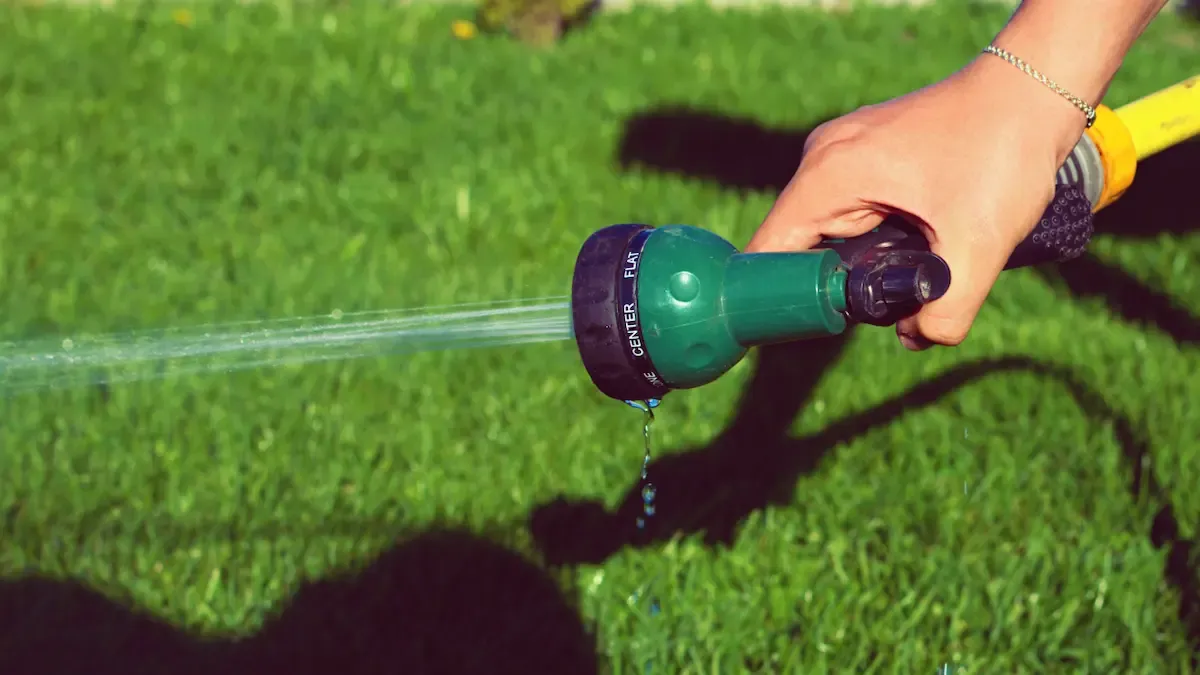
On 26 June, England recorded a provisional new national record for the month's daily maximum temperature. Following this prolonged hot, dry period, some water companies have introduced Temporary Use Bans (TUBs), commonly known as hosepipe bans, to help protect water supplies and allow networks to recover from increased demand.
TUBs are often a symptom of wider pressures on water resources rather than an isolated event.
What is a TUB?
A Temporary Use Ban, often referred to as a hosepipe ban, places restrictions on certain types of non-essential water use, like watering gardens, cleaning a private vehicle, filling pools, ponds or fountains or cleaning walls, windows, paths and patios.
While these restrictions are often associated with households, they can also affect businesses and serve as a reminder of the growing pressure on UK water resources.
Recent TUBs
Following prolonged periods of hot, dry weather and below-average rainfall, water companies including South East Water and Southern Water have introduced TUBs in parts of England.
While specific restrictions and exemptions vary between water companies, the message is consistent - businesses should understand their obligations, review water use and take steps to reduce unnecessary consumption.
Organisations that rely on water as part of their day-to-day operations should check the guidance issued by their water wholesaler to understand how restrictions may apply to them.
How can we save water during periods of restrictions
Water is a shared resource which must be protected by all of us. We can help prevent restrictions and save water during dry periods by using water more efficiently. There are simple and effective ways businesses can save water, including:
- Conducting a basic water audit to understand where water is being used
- Checking for hidden leaks and repairing them quickly
- Reviewing water-intensive processes and identifying opportunities to reduce consumption
- Educating employees on water-saving behaviours.
Water restrictions play a vital role in protecting water resources during dry months and periods of drought. If businesses and organisations follow water efficiency practices throughout the year, it can help ensure there’s enough water for everyone’s essential needs while protecting our resources for the future.
Become more resilient today
TUBs may be temporary, but the pressures driving them are becoming more common. As climate change, population growth and increasing demand continue to put pressure on water resources, understanding and managing your water use is becoming an important part of business resilience.
If you’d like a deeper understanding of where savings and efficiencies could be unlocked, our Sustainability Services team can help. Visit the Sustainability Services page on our website to find out more about auditing your water use and strengthening your resilience.
Our My Business Stream platform gives you greater visibility and control over your account and consumption.
Sources:
June 2026 heatwave: A recap of the temperature records - Met Office*
Kent hosepipe ban FAQs | South East Water**
Hosepipe ban for Hampshire and Isle of Wight Southern Water customers - BBC News***