
After several regions were placed under Temporary Use Bans (TUBs) during this year's record-breaking hot summer*, some water companies are now taking more significant steps to protect supplies as drought conditions persist.
South East Water has applied to introduce a Non-Essential Use Ban (NEUB)**, a measure that would place restrictions on how businesses use mains water. While the application is currently awaiting approval, it highlights a wider challenge facing organisations across the UK. Water scarcity is quickly becoming a business resilience issue, with forecasts suggesting the country could face a daily water shortfall of around five billion litres by 2050 if action is not taken to reduce demand and secure future supplies***.
What is a NEUB?
Unlike Temporary Use Bans, which primarily affect household customers, Non-Essential Use Bans apply to businesses and organisations.****
South East Water's proposal would restrict a range of non-household water uses, including watering plants on commercial premises, operating mechanical vehicle washers, cleaning non-domestic buildings and maintaining non-domestic swimming pools, ponds and hot tubs.
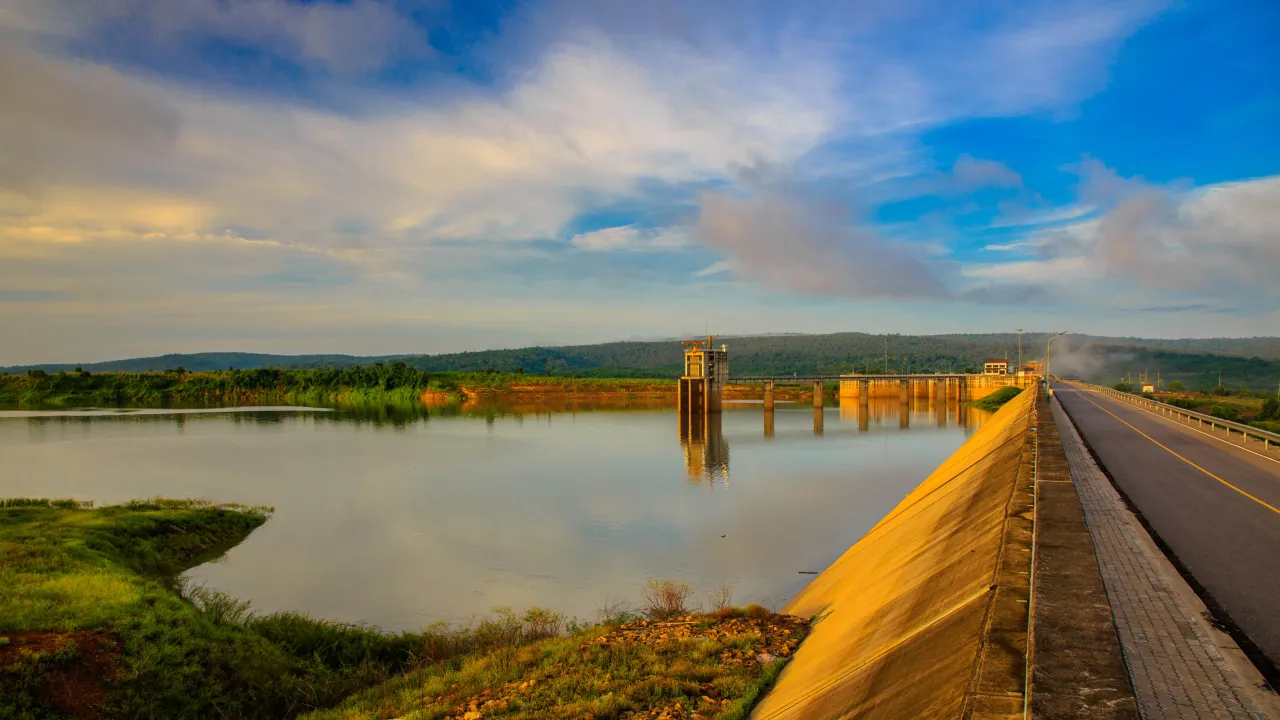
The proposed restrictions follow continued pressure on water resources in Sussex, where Ardingly Reservoir is at critically low levels.
Why does this matter to businesses?
For many organisations, water has traditionally been viewed as a utility that is always available. But events this year suggest businesses may need to start thinking about water in the same way they think about energy.
While not every business would be significantly affected by a NEUB, the proposal is a reminder that water availability cannot be taken for granted.
The South East Water application isn’t just a localised issue. Reservoir levels remain below expected levels in many parts of the country, with almost three-quarters of England remaining in drought after an exceptionally dry spring and summer, alongside a succession of heatwaves, and regulators have indicated that further measures may be needed if dry conditions continue*****.
Whether or not NEUBs are introduced across the UK, it’s clear that climate pressures, growing demand and increasing pressure on water resources mean organisations will need to place greater focus on water efficiency and resilience.
Making water efficiency part of your business strategy
Understanding water use, identifying inefficiencies, fixing leaks, investing in water-saving technology and encouraging smarter consumption can all help reduce exposure to future supply constraints.
The key takeaway from South East Water's proposed NEUB is not just the possibility of further restrictions, it also highlights the growing importance of water as a consideration in business continuity and resilience planning.
For businesses looking to strengthen their resilience, water efficiency is no longer just a sustainability initiative. It's a practical way to reduce risk, improve operational resilience and prepare for future supply challenges. Our Sustainability Services team can help organisations understand their water use, identify savings opportunities and build long-term resilience into their operations. Get in touch with them at solutions@business-stream.co.uk.
Sources:
* Summer 2026 was UK's hottest on record, Met Office says - BBC Weather
** South East Water announces change to current hosepipe restriction | South East Water
*** Future water resources - House of Commons Library
**** Hosepipe bans and non-essential use bans: what they mean for you - Ofwat
***** Government, Environment Agency, and water companies step up efforts to prevent England remaining in drought by next spring - GOV.UK