Water efficiency is both a technical challenge and a people challenge. If people don’t understand your water efficiency goals or don’t feel responsible for their own water use, savings could disappear quickly.
Water waste can creep in through inefficient habits, such as:
- Equipment left running longer than needed
- Leaks reported too late
- Outdated processes, and
- Water treated as a fixed overhead rather than a controllable resource.
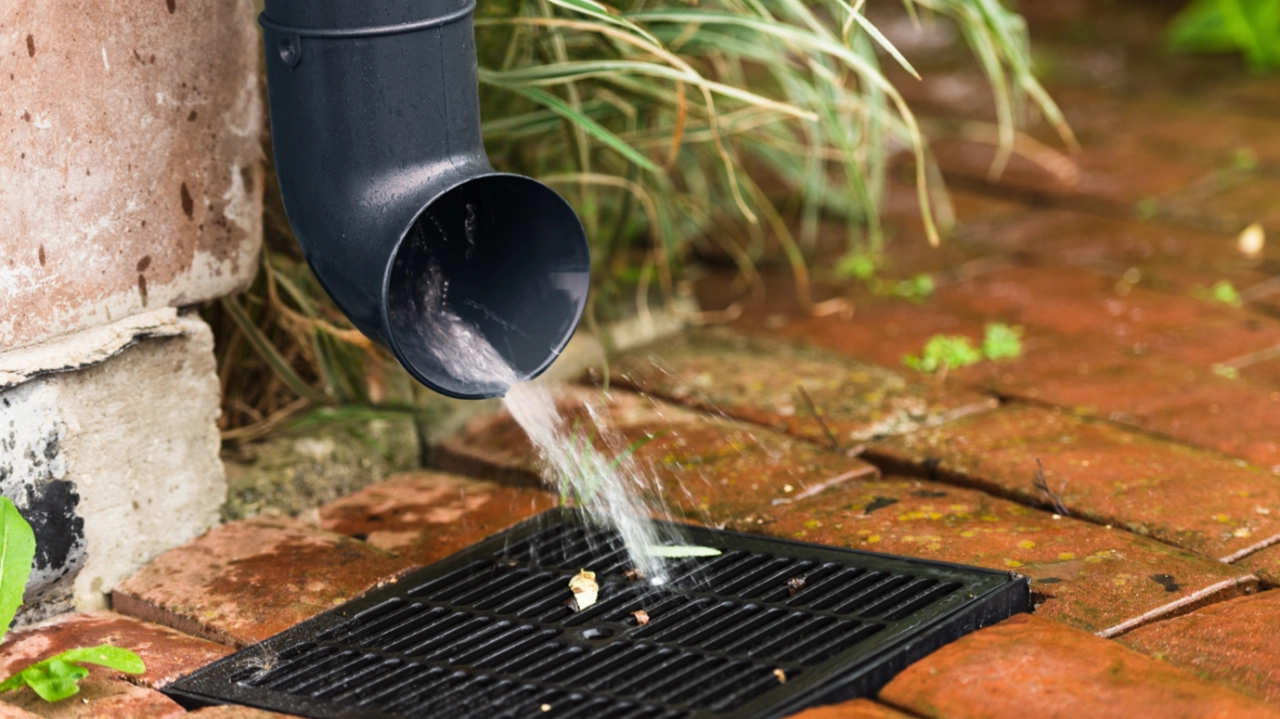
In many organisations, water is invisible. Water doesn’t come with flashing warnings like energy and it doesn’t get the same daily attention energy does, unless there’s a flood or supply issue.
This invisibility means that inefficient water behaviours often go unnoticed and unchallenged, even in businesses with strong sustainability ambitions.
Turning awareness into action
Many organisations start their water efficiency journey with awareness campaigns. These can range from posters around the office to awareness days and workplace tools. Raising awareness through these simple initiatives is valuable but raising awareness alone might not create the ownership needed to drive real, lasting change.
By making sure people understand why water matters to their role, how their daily actions influence water use and what they should do differently, and when, you can deliver valuable savings through human action. Without this clarity, water efficiency can become something that’s seen as someone else’s responsibility.
The role culture plays in lasting water efficiency
Culture can show up in small, everyday moments, like how quickly leaks are reported and whether unusual usage is questioned. In organisations with strong water efficiency cultures, responsibility is shared, people feel empowered to raise questions and flag issues and water performance is discussed alongside cost, energy and safety.
How you can make water efficiency relevant to your people
One of the most effective ways to shift behaviour is to connect water to things people already care about while framing it as an opportunity for ownership. Water efficiency can become more meaningful when it’s framed around people’s daily actions and not an abstract sustainability goal for the future.
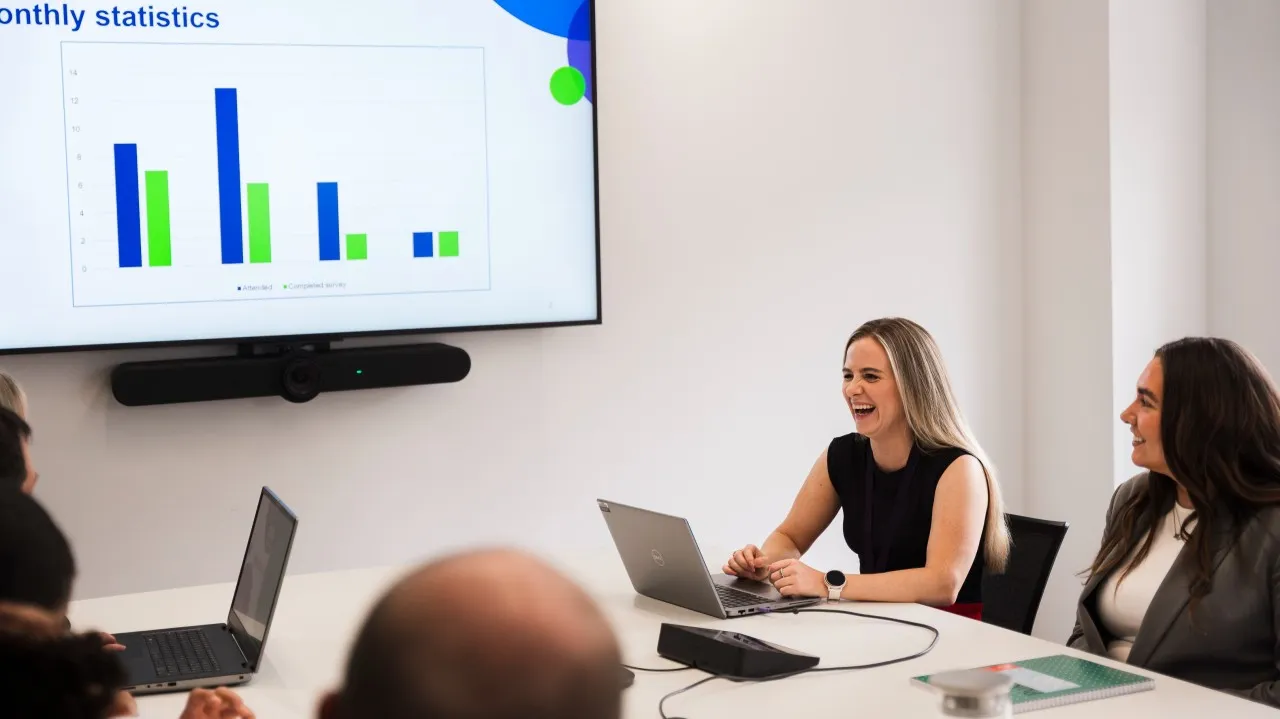
You don’t need a major programme to start changing behaviour. Small, consistent actions often deliver the biggest returns. Organisations can promote ownership by providing things like clear, simple routes to reporting leaks or inefficiencies, sharing water data in plain language, linking water performance to drought preparedness conversations, or openly positioning water as an opportunity for savings, in the same way we already do with energy.
Over time, these signals tell people that water is an important business asset and one that should be protected.
Meaningful leadership can unlock behaviour change
While posters are useful and information prompts thinking, people are likely to take cues from leadership. When leaders ask questions about water use and water features in conversations about smart management, behaviour changes are more likely to follow.
These actions can move water efficiency from a nice‑to‑have initiative to part of how an organisation operates day-to -day.
The opportunity for businesses
As water stress increases across the UK, businesses that perform best will be those who embed water responsibility into everyday roles, treat water as a strategic resource and build cultures where efficiency is normal.
Our workplace water efficiency tools help teams turn awareness into action, making it easier to spot issues, build ownership and reduce waste.